How Can You Track Real-Time Blockchain Transactions?
Blockchain technology has transformed the way digital transactions are recorded, verified and monitored. Unlike traditional financial systems, where transaction information is often managed through centralised databases, blockchain networks maintain a distributed and transparent record of activities. Every transaction added to the network becomes part of a digital ledger that can be independently verified. However, understanding what happens during a blockchain transaction requires more than simply knowing that a transfer has taken place. Users need access to real-time blockchain data to monitor transaction status, verify confirmations and understand network activity.
Real-time blockchain transaction tracking makes this possible by allowing users to follow transactions from the moment they are submitted to the network until they are successfully confirmed. With the help of blockchain explorers and on-chain analytics platforms, users can access transaction details without relying on third-party updates or manual verification.
What Does Real-Time Blockchain Transaction Tracking Mean?
Real-time blockchain transaction tracking refers to the process of monitoring transactions as they move through a blockchain network. When someone sends cryptocurrency or transfers digital assets, the transaction is broadcast to the network, where participating nodes validate the information according to the network’s rules. Once accepted and included in a block, the transaction becomes part of the blockchain’s permanent transaction history.
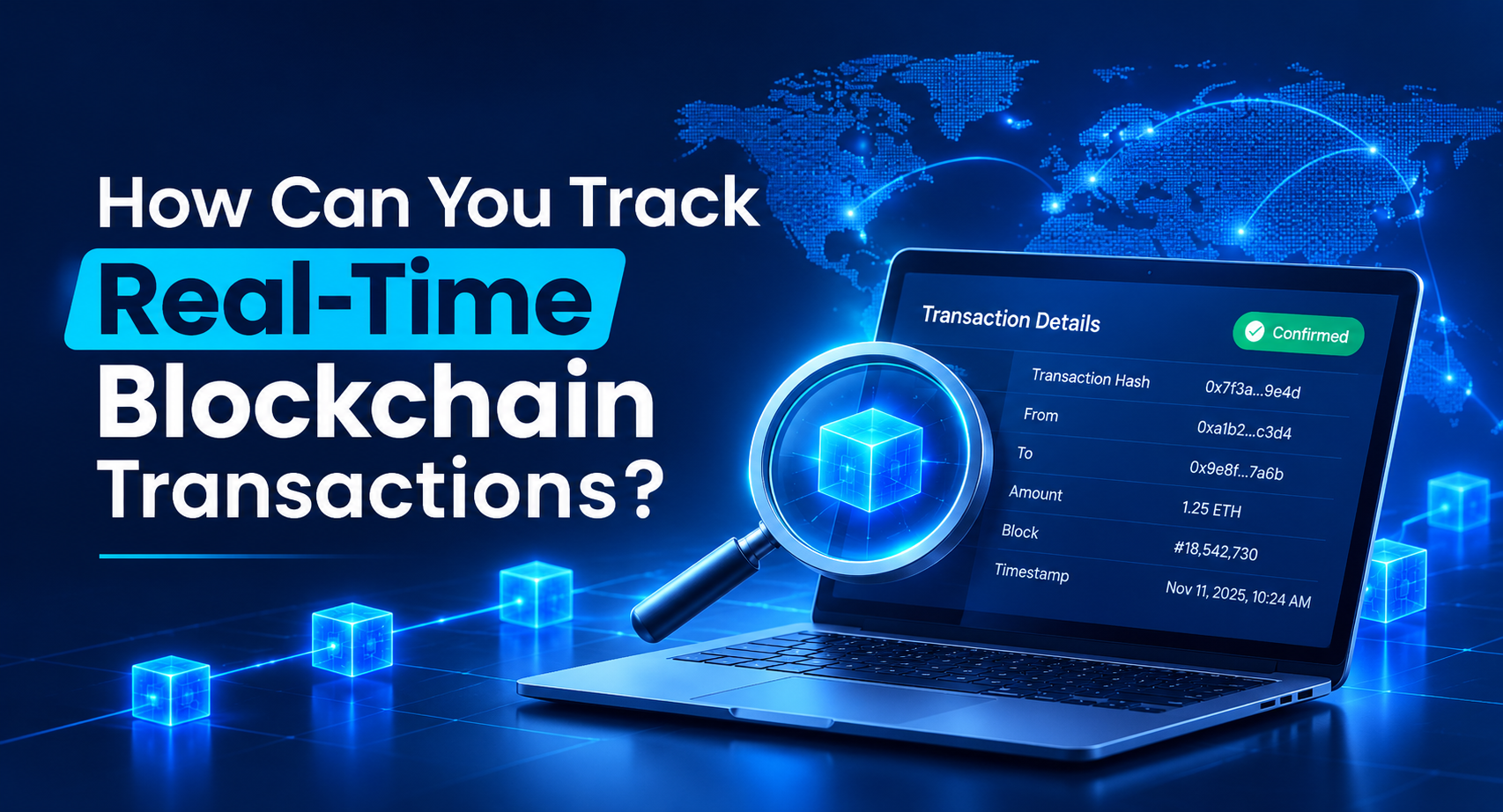
Tracking this process allows users to understand whether a transaction is pending, confirmed or unsuccessful. It also provides access to important information, including transaction hashes, sender and receiver wallet addresses, transferred amounts, block numbers, timestamps and transaction fees. This information helps users independently verify activity rather than depending entirely on notifications from wallets or exchanges.
How Does Blockchain Transaction Tracking Work?
Every blockchain transaction generates a unique transaction identifier, commonly known as a transaction hash or transaction ID. This identifier acts as a reference that allows users to locate a specific transaction on the network. After initiating a transfer, users can copy this hash from their wallet or transaction history and enter it into a blockchain explorer.
The explorer searches the blockchain’s publicly available records and displays the corresponding transaction information. Depending on the network, users can see when the transaction was submitted, whether it has been included in a block, how many confirmations it has received and whether the transaction was successfully executed.
Blockchain nodes continuously communicate transaction and block information across the network. Blockchain explorers collect and organise this information so that users can view it through an accessible interface. This makes complex blockchain activity easier to understand, even for people who do not have technical knowledge of how distributed networks operate.
Why Is a Blockchain Explorer Important for Tracking Transactions?
A blockchain explorer is one of the most useful tools for monitoring blockchain transactions. It provides a searchable interface for accessing information stored on a public blockchain network. Instead of navigating complicated blockchain data manually, users can search using transaction hashes, wallet addresses or block numbers.
For example, when a user transfers digital assets to another wallet, the recipient may want to verify whether the funds have arrived. By searching for the transaction hash through a blockchain explorer, the recipient can check the transaction’s current status and confirmation details. Similarly, businesses can use explorers to verify incoming payments, review outgoing transactions and maintain better visibility into their digital asset operations.
A blockchain explorer also helps users understand the broader activity of a network. Information such as total transactions, block height, average block time and active wallet addresses provides useful insight into how a blockchain is performing. These metrics help researchers, developers and blockchain participants evaluate network activity and observe changes over time.
What Transaction Details Can You Monitor in Real Time?
Real-time blockchain monitoring provides access to several important data points that help users understand individual transactions and overall network activity. The transaction hash is particularly important because it provides a unique reference for identifying a specific transaction. Wallet addresses help users identify the sending and receiving accounts, while the transaction amount indicates the quantity of digital assets transferred.
Block information is equally important. When a transaction is included in a block, the block number helps establish its position within the blockchain’s history. The timestamp provides an indication of when the transaction was recorded, while confirmation information helps users understand how much additional network activity has occurred after the transaction was included.
Transaction fees are another important detail, as they provide insight into the cost of processing activity on a blockchain network. Depending on the blockchain, users may also be able to examine smart contract interactions, token transfers and execution details. Together, these details provide a clearer picture of what is happening across the network.
How Can You Track a Blockchain Transaction Step by Step?
Tracking a blockchain transaction is relatively straightforward when you have access to a suitable blockchain explorer. Start by opening your cryptocurrency wallet or the platform through which you initiated the transfer. Locate the transaction in your activity history and copy its transaction hash.
Next, open a blockchain explorer that supports the relevant network. Enter the transaction hash into its search field and view the available transaction information. The explorer will display the matching record if the transaction is available on that network.
Review the transaction status, block information, wallet addresses and confirmation details. If the transaction is still pending, it may not yet have been included in a block. Network congestion, transaction fees and validation processes can influence how long confirmation takes. If the transaction is confirmed, check the displayed details to ensure that the destination address and transferred amount match your expectations.
It is important to remember that transaction tracking does not mean that a transaction can be reversed or modified. Blockchain transactions generally become irreversible once sufficiently confirmed, depending on the network and its consensus mechanism.
How Does Real-Time Blockchain Data Improve Transparency?
Transparency is one of the most important characteristics of public blockchain networks. Since transaction records are available for independent verification, users can examine network activity without depending entirely on a central authority. Real-time data makes this transparency more practical by presenting updated information in a format that users can understand.
For businesses accepting cryptocurrency payments, transaction visibility can simplify payment verification and reconciliation. Developers can monitor smart contract interactions and identify unexpected activity, while researchers can analyse transaction patterns to better understand how a blockchain ecosystem is developing.
Real-time monitoring also supports accountability. Users can independently verify whether a transaction has been recorded instead of relying only on screenshots, messages or external confirmations. This creates a more transparent environment for individuals, businesses and developers interacting with blockchain technology.
Can AI Make Blockchain Transaction Tracking Smarter?
Traditional blockchain explorers primarily focus on displaying transaction records and network statistics. However, as blockchain ecosystems grow, the amount of available on-chain information becomes increasingly difficult to analyse manually. Artificial intelligence can help make this information more accessible by identifying patterns, organising complex datasets and generating meaningful insights from blockchain activity.
AI-powered analytics can help users understand transaction behaviour, identify unusual activity patterns and examine changes in network performance. Rather than simply viewing transaction counts or wallet activity, users can gain a broader understanding of what those figures may indicate.
Combining AI with real-time blockchain data can also improve how users explore large volumes of on-chain information. For developers, analysts and blockchain businesses, this can support more informed research and make network monitoring more efficient. However, AI-generated insights should be treated as analytical assistance rather than definitive proof of suspicious or legitimate activity.
What Challenges Should You Consider When Tracking Blockchain Transactions?
Although blockchain explorers make transaction monitoring easier, users should understand that not every blockchain operates in the same way. Different networks have different confirmation mechanisms, transaction structures and data availability. A transaction that is considered confirmed on one network may follow a different confirmation process on another.
Network congestion can also affect transaction processing times. During periods of increased activity, transactions may take longer to be included in blocks, particularly when transaction fees influence processing priority. Users should also understand that publicly visible wallet addresses do not automatically reveal the real-world identity of the people controlling them.
Another important consideration is data accuracy and freshness. A reliable explorer should provide regularly updated blockchain information and clearly present the source network’s recorded data. Users should always verify that they are using an explorer compatible with the blockchain on which their transaction was initiated.
Why Is Real-Time Blockchain Monitoring Important for the Future?
As blockchain adoption expands across digital payments, decentralised applications, tokenisation and Web3 platforms, the need for accessible transaction monitoring will continue to increase. Businesses require better visibility into payment activity, developers need reliable network information, and users want simple ways to verify digital asset transfers.
Real-time blockchain monitoring provides the foundation for this visibility. By combining transaction tracking, network statistics and analytical tools, blockchain explorers are becoming more than simple transaction search platforms. They are evolving into valuable resources for understanding how blockchain networks operate and how their ecosystems grow.
With developments in AI-powered analytics, blockchain data can become easier to explore, interpret and use for informed decision-making. This combination of transparency, accessibility and intelligent data analysis will play an important role in the continued development of blockchain technology.
Explore Real-Time Blockchain Data with ZentroScan
Understanding blockchain transactions becomes easier when the right information is available through an accessible platform. ZentroScan brings blockchain exploration, real-time on-chain data and AI-powered analytics together to help users explore network activity and understand important blockchain metrics.
Whether you want to examine transaction records, monitor block information, explore network statistics or gain insights into blockchain activity, ZentroScan provides a dedicated platform for discovering on-chain information.
Visit ZentroScan to explore blockchain data, track network activity and discover a smarter way to understand the blockchain ecosystem.
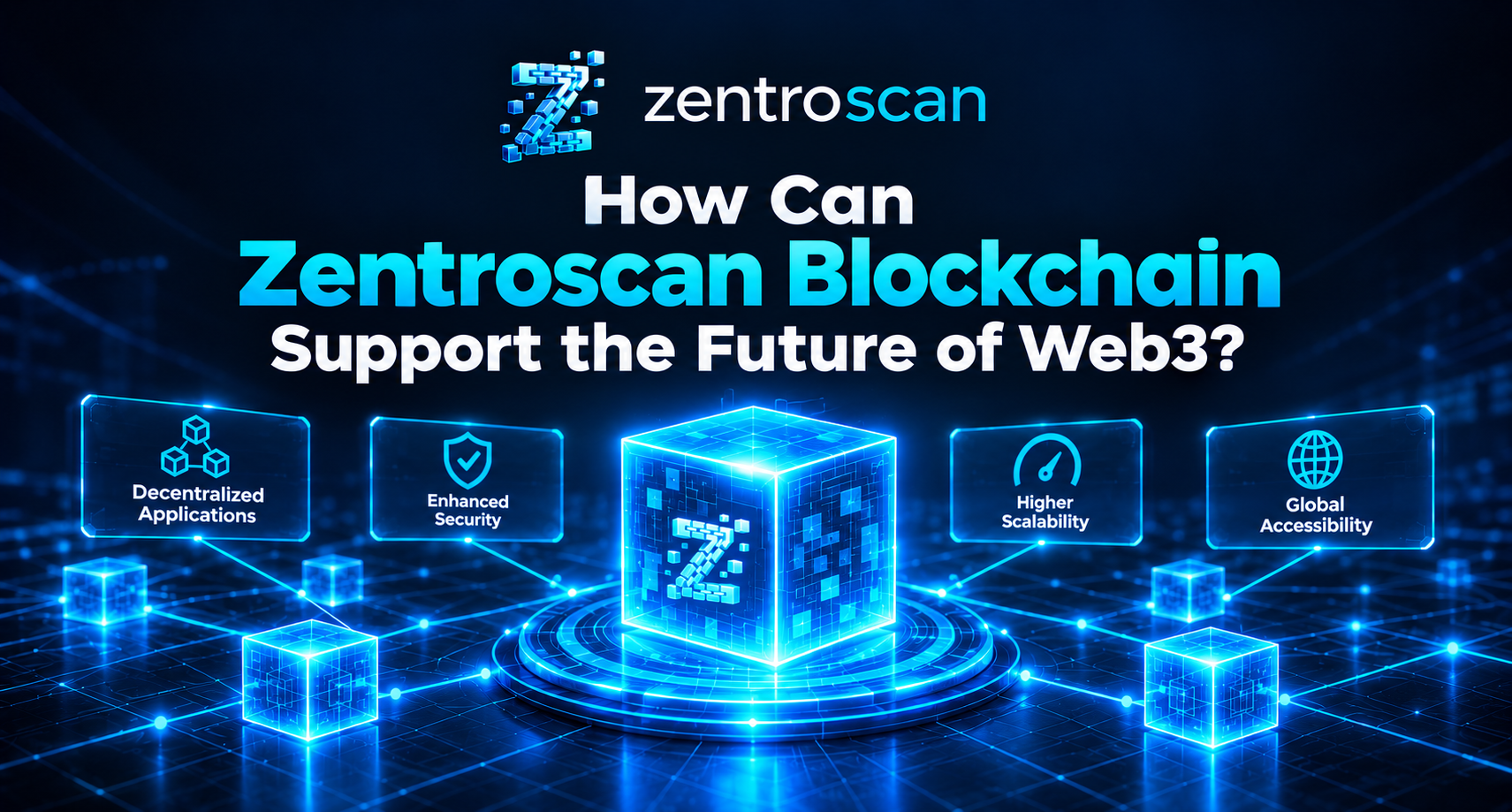
Recommended Read: How Can Zentroscan Blockchain Support the Future of Web3?
Table of Contents
Leave a Reply